Deep in the heart of winter, the February moon shines brightly on the snow, casting a mirage of long, dancing shadows across the hills and valleys. Full moons seem especially bright, enchanting, and beautifully illuminated by a blanket of white snow. Years ago, my husband assembled a cedar clothesline for me. As intended, it was exceptionally good at drying clothes. Most of all, I was dazzled by its year-round, eye-catching charm. Each summer, I surrounded the sizable cedar posts with a planting of cosmos flowers. The tall annuals with delicate fern-like foliage and cup-shaped pink-and-white flowers were a beautiful sight, gently swaying in the breeze and appearing to dance with the clothes on the line. On moonlit winter nights, the long shadows cast by the cedar posts and crossbars were visually captivating. Upon waking in the middle of the night, I would sit with the shadows and admire the beauty and form of the clothesline from the bathroom window.
My mother kept track of the moon phases using the Farmers’ Almanac. She paid attention to the waxing and waning moon not only for planting in the gardens but also for animal husbandry. She knew the various names of the moons by heart. Native Americans were the first ones to name the moons. Different tribes used different names for each month's moon. The full moon in February was known as the Hunger Moon, the Little Famine Moon, and the Bony Moon, depending on the tribe. All of these names translate into a moon that signifies food scarcity. Early American colonists took an opportunistic approach, calling the February moon the Trapper’s Moon. It was the time to trap beavers, foxes, and minks, as their fur coats were at the peak of their luxurious quality. Today, this moon is commonly known as the Snow Moon.
February was the season for cutting firewood on our farm. My father had a yellow John Deere bulldozer with a front blade. We called the imposing earthmover that crept along slowly on steel tracks through almost any terrain “The Crawler.” It was one of the handiest pieces of machinery on the farm, and he used it for many different projects. In February, he kept the roads open through the sugar woods, clearing snow in anticipation of maple sugaring and cutting trees for firewood. Beech and ash trees were plentiful among the maples and made up the bulk of our firewood. He selectively cut and trimmed the trees that needed to be weeded out, taking only what was necessary.
When I was a little girl, my mother bundled me up, put on her outerwear, and we set off with Lady, our collie dog, to visit my father in the woods. I vividly recall how beautifully blue the sky was and how warm the sun felt on our faces, even on those February days. The snow banks created by The Crawler’s blade looked like a high range of mountain peaks just waiting to be conquered by a little girl like me. What a fun accomplishment it was to reach the top of the banks, all bundled up in an awkward and cumbersome snowsuit.
The majority of trees my father fell were skidded back to the woodshed with the Crawler, then bucked, split, piled, and left to cure before being thrown into the cellar through a hole designed for this purpose. The treetops were left in the woods, and the limbwood was set aside until early fall, when it was gathered up and taken back to the farm and sawed up with an ominous-looking circular saw attached to the back of the tractor. The cut limbwood was thrown into the woodshed to be burned in the wood cookstove. The deer appreciated the treetops, which provided vital nourishment during mid-winter. Their tracks in the snow were evidence of their nightly visits. February is a lean month for deer. The tree buds that the firewood cutting provided were a welcome source of nourishment for the hungry deer. Nothing went to waste in those days.
Groundhog Day was a notable day on the farm. It didn't matter whether the groundhog saw his shadow or not. Instead, my parents focused on winter's halfway point to take inventory of the woodpile in the cellar and the hay in the mow, making sure there would be plenty of both to carry us through the rest of the winter. I don’t remember scarcity ever being a problem. Our farm produced a bountiful hay crop, and it didn't have more cattle than the land could support. The cellar was packed not only with an entire winter's supply of firewood cut for the furnace, but also with cool temperatures for storing food. We stored our supply of potatoes in the cellar, and a huge jelly cabinet that ran from floor to ceiling housed the canned goods from last year's bounty. The shelves were stocked with canned vegetables, canned meats for mincemeat pies, pickles, applesauce, jams, and jellies. The entire top shelf was dedicated to jars of leaf lard that my mother slowly rendered and stored in one-quart glass jars. One winter, we had a weasel that lived in the cellar among the rows of stacked wood. Now and again, we would catch a flash of its sleek, snow-white fur before it disappeared into the cracks of the woodpile. My mother was delighted by its presence and said we would have no mouse problems that year.
My father had the job of making the salt pork, and he was good at it. Salt pork is made from pork belly, which is acquired from the same section of the pig as bacon and pancetta. Pork belly obtained from the portion closest to the hindquarters is fattier, making it a prime choice for salt pork. I remember him cutting the pork belly into approximately 5” x 7” rectangles and rolling each piece in loose salt. He bought bagged white salt to feed the cows and used it to make salt pork. We had five-gallon crocks in the cellar that my father used to pack the salt pork. He put a layer of salt in the bottom of a crock, then tightly packed the salted pork belly pieces, adding more salt between each layer. When the crock was half full, he topped off the last layer of pork with salt and set a weight to hold it down. I remember him boiling a big pot of water to fill the remainder of the crock, which I'm sure he must have cooled a bit before pouring it in. Adding boiling water to an earthenware crock is a surefire way to crack one. He used a handmade round wooden cover, specifically made to fit the crock, and set a heavy stone on top. It was quite a job to dig in and fish out a piece of salt pork once it was cured and ready to use.
An entire meal could be prepared during the winter months from a trip down the cellar stairs. Mashed potatoes and salt-pork gravy were a traditional winter main course. Rolling up her sleeves and digging out a piece of salt pork from the salty brine in the kitchen, my mother rinsed it under running water and patted it dry. She sliced the piece into half-inch slabs and used a technique she called “freshening,” which involved bringing the cut slabs to a boil in a skillet of water. This process removed much of the saltiness. Once this step was complete, she drained the slabs and gently fried them. Once crisp, she would set them aside on a dish while she prepared the gravy. She made a simple milk gravy by reserving a couple of tablespoons of fat and adding some flour. She cooked and stirred the fat and flour together for a few minutes and then whisked in the milk. She served the gravy over boiled potatoes, and sometimes mashed. It made a delicious meal I used to look forward to, although I haven't had salt pork gravy in years.
We put half of a locally-raised pig in the freezer every year. A pig that has access to pasture, is fed GMO-free grain, and is raised in the sunshine produces especially high-value pork fat. Pigs raised on pasture have higher omega-3 and vitamin D levels in their fat than those raised in confinement. I make a small amount of salt pork to have on hand for baked beans and lentils, and sometimes for sauteing hearty greens. Store-bought salt pork can not compare to what you can make yourself, and, undoubtedly, the pig it came from was raised in confinement, never seeing the light of day.
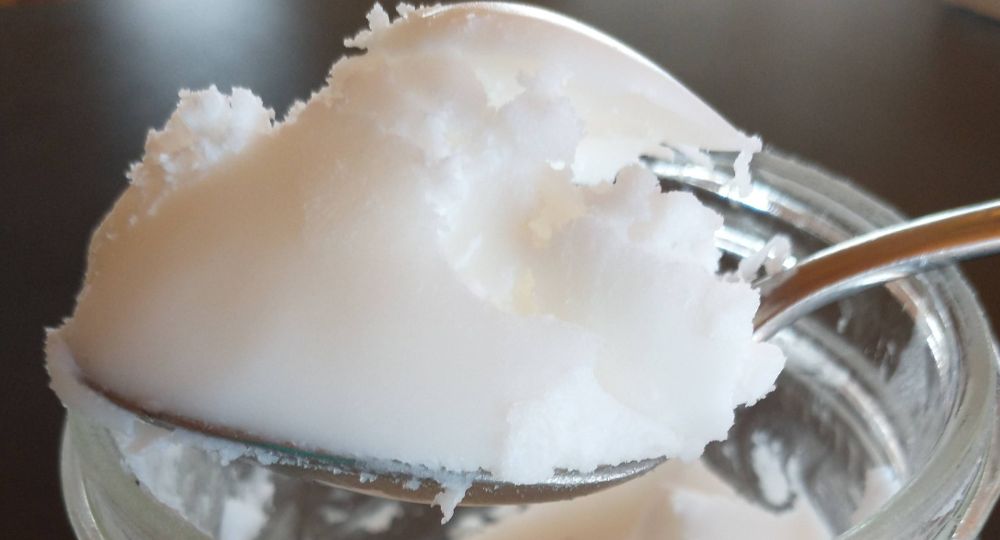
Along with making salt pork, I make lard from the leaf fat. Leaf fat is the visceral fat that surrounds the kidneys and loins. The fat back makes perfectly fine lard, but leaf lard has traditionally been prized as the finest for pastry, with the mildest flavor and the purest white color. Similar to an old-time Vermonter’s high regard for fancy grade maple syrup, lard makers of the past considered leaf lard to be the very finest. The smoke point for lard is 370 degrees, making it a good choice for high-heat cooking and frying. For decades, lard has been shunned in favor of highly processed Crisco and high-heat vegetable oils. Recently, lard has come back into favor among many who deem it a healthier choice. That being said, expect to pay dearly for lard rendered from pasture-raised pigs, unless, of course, you do it yourself.